Community
Why Disabled Dating Is Inclusive
Inclusive dating is not just a friendly sentence on a homepage. It is a set of choices that affect profiles, language, safety, accessibility, and the way people are invited to join.
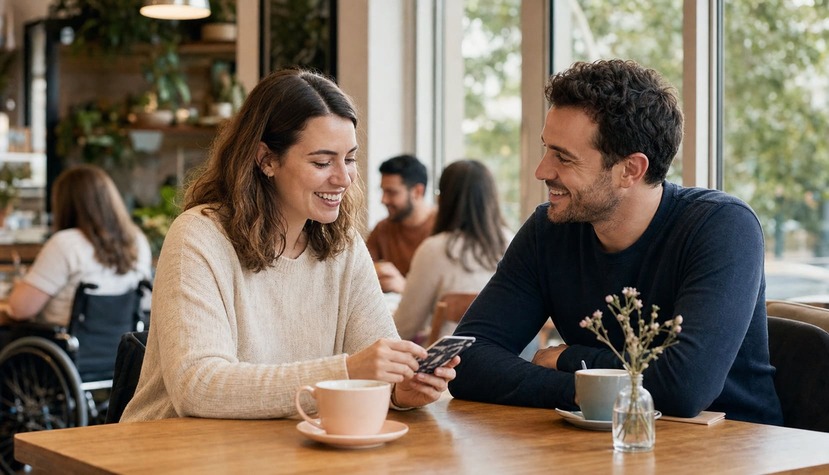
Disabled Dating advice
Inclusive language changes the first impression
A disabled dating platform becomes inclusive before a user ever creates a profile. The language on the page tells visitors whether they are expected to hide, explain, educate, or simply arrive as adults who want connection. Inclusive language avoids pity, inspiration clichés, and medicalized framing. It speaks to disabled singles as people with preferences, attraction, boundaries, humor, and relationship goals.
That matters because many people have already been reduced to a diagnosis, mobility device, communication style, or health history. A better platform makes room for those realities without making them the only story. When Disabled Dating uses warm adult language, it signals that dating with disabilities can include romance, flirtation, uncertainty, safety, access planning, and ordinary hope at the same time.
Accessibility is part of compatibility
Inclusive dating treats access as a relationship detail, not a special request. For wheelchair users, that may mean step-free venues, seating, transportation, and respectful planning. For deaf singles, it may mean captions, text-first messaging, sign language, or clear lighting. For autistic adults or ADHD adults, it may mean direct communication, predictable plans, sensory awareness, reminders, or patience around response rhythms.
Those needs are not obstacles to romance. They are clues about how care works in real life. A match who understands access early is better prepared to suggest dates that feel welcoming rather than stressful. The platform can support that by linking people to communities such as wheelchair dating, autism dating, and ADHD dating, while keeping the registration path clear for people ready to create a profile.
Privacy makes inclusion safer
Inclusion without privacy can become exposure. Disabled singles should not feel forced to share medical details, trauma history, benefit status, mobility information, or intimate needs before trust exists. A respectful profile experience lets people choose what to share now, later, or never. That choice is central to safety because disability information can be personal, sensitive, and sometimes misunderstood.
A good dating profile can be honest without being exhaustive. Someone might say they prefer accessible venues, low-pressure first dates, or direct messages without listing diagnoses. Another person may openly identify with a disability community because it helps filter for respectful matches. Both choices are valid. Inclusive dating means the person controls the story rather than being pushed into a disclosure script.
Community pages support joining, not endless browsing
A niche disabled dating site can include pages for chronic illness dating, deaf dating, epilepsy dating, little people dating, neurodivergent dating, and more. Those pages help visitors find language that reflects their lived experience. But they should not turn the site into a directory where people only read and leave. The architecture should make a clear distinction between educational support and the main action: joining Disabled Dating.
That is why blog articles belong in the blog folder and niche pages stay as landing pages. The structure tells users where they are. Articles help them prepare. Community pages help them feel seen. The join page helps them take the next step. Clear architecture is part of inclusion because it reduces confusion and helps people move through the site with confidence.
Inclusive dating still has standards
Welcoming people does not mean accepting intrusive questions, fetishization, pressure, scams, or boundary pushing. Disabled singles deserve a dating environment where respect is expected. People who join should understand that curiosity is not a license to interrogate someone about their body, health, assistive devices, or personal history. Good connection starts with consent and attention.
The most inclusive dating experience is warm and clear at the same time. It invites disabled singles and respectful partners to meet, but it also names the kind of behavior that makes dating safer. When inclusion is grounded in dignity, accessibility, privacy, and adult romance, it supports the brand goal: helping people feel safe enough to register and hopeful enough to start a real conversation.
Related Disabled Dating Communities
These community pages can help you keep exploring specific dating needs before you create a free profile.
Questions
Frequently Asked Questions
Yes, respectful non-disabled people who are open to dating disabled singles can join if they treat access, communication, and disability experience with maturity.
No. Inclusion means different needs can be named, respected, and planned for without shame.
Free to join
Ready to Put the Advice into Practice?
Create your free Disabled Dating profile and start meeting people who value access, comfort, honesty, and real relationships.